The Hidden Science of the Mind-Body Link: Unlock Stress & Health Secrets
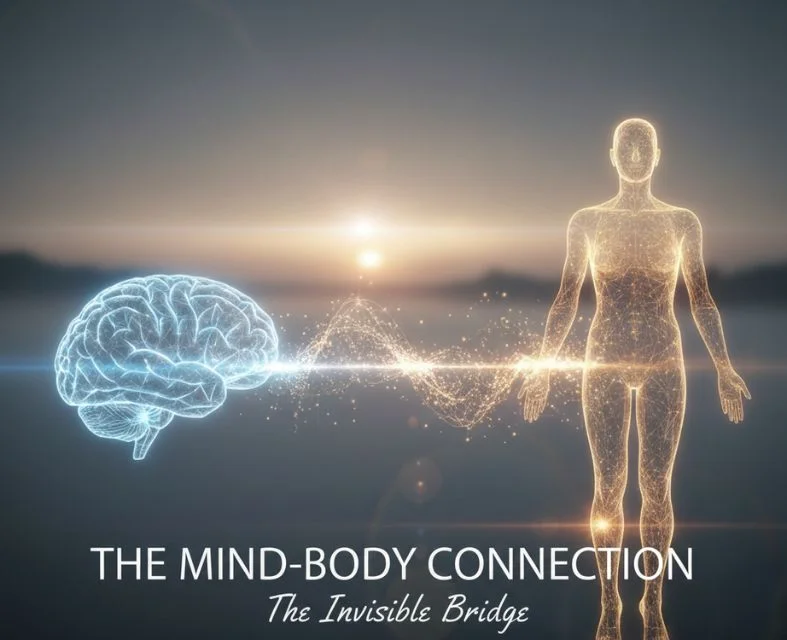
Have you ever noticed that a stressful day brings on a persistent headache? Or that sudden, intense fear creates a sharp, sinking feeling in your stomach? This isn’t just coincidence. It is the constant, silent conversation on the invisible bridge connecting your thoughts, emotions, and physical state. This relationship is known as the Mind-Body Connection.
For too long, modern medicine treated the mind and the body as separate entities. Yet, ancient wisdom and contemporary science agree: the two are inextricably linked. Anxiety does not just “feel” bad; it actively triggers physical inflammation. A regular exercise routine does not just tone muscles; it simultaneously stabilizes mood and sharpens focus.
This guide dives deep into the science behind this powerful link. We explore the psychological, biological, and physiological pathways that govern your overall wellness. We move beyond theory to give you actionable, science-backed strategies. Use these tips to optimize your Mind-Body health and achieve a state of true holistic well-being.
Section 1: Defining the Mind-Body Health Connection
The Mind-Body Connection is a key concept in psychology and medicine. It describes the complex interactions between human thought and physical well-being. It asserts that thoughts, emotions, beliefs, and attitudes profoundly impact biological functioning.
1.1 What Does “Mind-Body Health” Actually Mean?
There is no true separation. Mind health is physical health, and physical health is mind health.
- Bidirectional Relationship: The connection works both ways. Mental distress can cause physical illness (e.g., anxiety creating muscle tension). Conversely, physical problems impact the mental state (e.g., chronic pain leading to depression).
- A Unified System: Instead of treating symptoms in isolation, mind-body health advocates for treating the whole person. This approach recognizes that emotional, psychological, social, and spiritual factors directly influence disease progression and wellness outcomes.
1.2 The Crucial Role of Psychology
The field of Mind-Body connection psychology focuses on understanding the transformation. It studies how cognitive processes (thoughts) and emotional states translate into physiological responses. Psychology provides tools to manage the input (our thoughts) and create a better output (our physical health).
- Perception is Physiology: Your brain’s interpretation of an event determines the chemical response. For instance, perceiving a deadline as a severe threat sets off a cascade that affects the entire body.
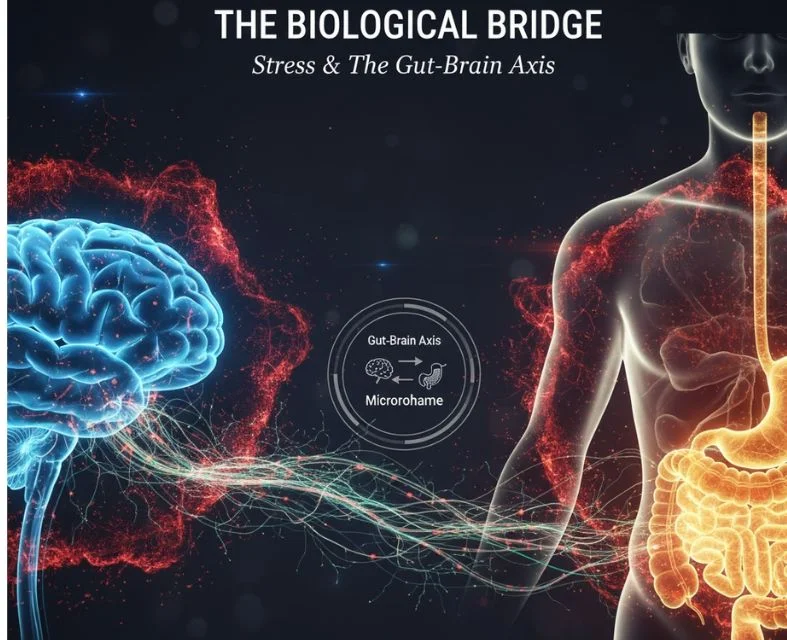
Section 2: The Biological Bridge: How Emotions Become Physical Symptoms
The Mind-Body Connection is not mystical; it is rooted in tangible biology. Two main systems act as primary communicators. They translate psychological stress into physical reality.
Master the science of stress with Adaptogens by Adriana Ayales
2.1 The Master Communicator: The Stress Response System
When you encounter a perceived threat (a toxic email, for example), your body initiates the “fight or flight” response. The Hypothalamic-Pituitary-Adrenal (HPA) axis orchestrates this response.
- Cortisol Overload: The HPA axis releases cortisol, the main stress hormone. While helpful in short bursts, chronic psychological stress keeps cortisol levels constantly elevated. High cortisol actively suppresses the immune system. It also promotes systemic inflammation and contributes to weight gain. This directly links a stressed mind to physical ailments.
- Adrenaline Rush: Adrenaline increases heart rate, breathing, and muscle tension. Chronic activation over time leads to hypertension, persistent fatigue, and frequent tension headaches.
2.2 The Second Brain: The Gut-Brain Axis (GBA)
The GBA is a complex, two-way communication network. It links the central nervous system (brain) and the enteric nervous system (gut).
- The Vagus Nerve: This cranial nerve acts like a direct phone line between the gut and the brain. Acute anxiety, for instance, can instantly slow or speed up digestion via the Vagus nerve.
- Microbiome Impact: Trillions of bacteria in the gut (the microbiome) produce neurotransmitters. This includes up to 90% of the body’s serotonin. Serotonin is a key regulator of moods. A decline in gut health leads directly to a drop in serotonin levels. This severely impacts emotional balance and overall mental health.
2.3 The Vicious Cycle: Mental Health and Physical Health
Mental health and physical health interact in a powerful feedback loop. Mental distress quickly translates into physical vulnerability.
| Start Point | Mental Outcome | Physical Pathway |
| Chronic Anxiety | Heightened alertness, poor sleep | Increased systemic inflammation, high blood pressure. |
| Chronic Pain | Depression, hopelessness | Reduced physical activity, social and emotional withdrawal. |
| Depression | Lack of motivation, fatigue | Poor dietary choices, lack of exercise, increased disease risk. |
| Poor Sleep | Irritability, low mood | Impaired cognitive function, hormonal imbalance, weight gain. |

Section 3: Leveraging the Connection: Practical Strategies for Mind-Body Optimization
The connection is bidirectional. Intentionally improving one side automatically uplifts the other. Here are science-backed methods to optimize your Mind-Body health.
Boost your stamina and reduce stress with Strong Arm Health Capsules for Men
3.1 Harnessing the Power of Movement and Exercise
Physical activity is the single most potent tool for improving the mental health and physical health relationship.
- The Endorphin Boost: Exercise triggers the release of endorphins. These are natural painkillers and powerful mood elevators. They reduce stress and provide the common “runner’s high.”
- Reducing Inflammation: Regular physical activity helps regulate the immune system. This actively reduces the chronic, low-grade inflammation often linked to anxiety and depression.
- Functional Strength Training: Focus on how the body moves, not merely on aesthetics. This approach builds competence and improves confidence. It enhances body awareness, directly supporting a healthier mind health outlook.
3.2 Practicing Mindfulness and Somatic Awareness
The field of Mind-Body connection psychology highly emphasizes awareness. It focuses on bringing present-moment awareness to the body’s sensations.
- Mindfulness Meditation: Daily practice helps decouple reactions from thoughts. Observing stress without judgment reduces the physical cortisol surge associated with rumination.
- Somatic Therapy Techniques: These therapies focus on the body’s physical sensations (soma means body). They relate to past trauma or acute stress. Noticing where tension is held (stomach, shoulders, jaw) helps complete the “fight or flight” cycle. This effectively releases chronic stress stored in physical tissues.
- Breathwork: Controlled breathing (like the 4-7-8 technique) directly stimulates the Vagus nerve. This stimulation rapidly signals the parasympathetic nervous system (“rest and digest”) to calm the entire physical system. It instantly improves mood and reduces heart rate.
3.3 Nutrition for Brain and Mind Health
What you consume does not just affect your weight. It directly feeds your brain and your gut, profoundly impacting your mind health.
- Omega-3 Fatty Acids: Found in fatty fish, these are essential components of brain cell membranes. Studies show regular intake can reduce symptoms of depression and improve cognitive function.
- Postbiotic Supplements: Beyond traditional probiotics, postbiotics (beneficial compounds created by gut bacteria) directly support the gut-brain axis. This leads to more stable moods and reduced anxiety.
- Hydration: Even mild dehydration can severely impair concentration. It also negatively affects mood and overall energy levels. Ensure adequate water intake throughout the day.

Section 4: Advanced Practices for Deep Mind-Body Integration
Achieving long-term, sustainable wellness requires comprehensive, holistic practices. These go beyond singular quick fixes.
4.1 Sleep Tracking and Optimization
Sleep functions as the ultimate reset button for the mind and health. Poor sleep immediately impairs cognitive function, immunity, and emotional regulation.
- Technology Integration: Utilize wearable technology (e.g., Oura Ring) to track REM and Deep Sleep cycles. This provides actionable data on how daily stressors (mental load) are impacting physical recovery and subsequent mood.
- Sleep Hygiene: Establishing a consistent sleep schedule and optimizing your environment (dark, cool, quiet) directly reduces anxiety and stabilizes moods.
4.2 The Role of Social Connection (The Social Mind-Body Link)
Humans are fundamentally social creatures. Isolation acts as a major, persistent stressor.
- Vulnerability and Trust: Strong, trusting relationships reduce the chronic release of cortisol. They simultaneously increase oxytocin (the “bonding” hormone). This creates a powerful chemical buffer against external stress.
- Community: Active participation in a supportive community or group improves self-esteem. It also provides essential coping mechanisms. This significantly reduces the likelihood of severe mental health and physical health declines.
4.3 Redefining “Healthy Mood”
A healthy mood is not about chasing constant happiness. It is about emotional resilience—the ability to fully experience a wide range of emotions without being paralyzed or derailed by them.
- Acceptance: The psychological practice of accepting negative moods (like sadness or frustration) reduces the internal resistance. This resistance often creates the physical tension and chronic stress that harms the Mind-Body system.
- Purpose: Cultivating a strong sense of purpose and meaning in life provides motivation. It also improves overall mind health. This has been scientifically linked to increased longevity and better physical recovery from illness.
Frequently Asked Questions (FAQs)
The Mind-Body Connection is the scientific concept that your thoughts and emotions directly influence physical health, and vice versa. It confirms that mental health and physical health are inseparable. Action Tip: Consciously check your posture when feeling stressed.
Mental stress activates the body’s main stress-response system (the HPA axis), increasing stress hormones like cortisol. This causes chronic inflammation, which affects energy, digestion, and overall well-being. Action Tip: Use deep, mindful breathing to interrupt the cortisol spike.
Yes. Persistent negative moods and anxiety elevate cortisol. This hormone acts as an immunosuppressant, reducing the body’s ability to fight off illness. This confirms the direct emotion-immunity link.
The Gut-Brain Axis functions as a two-way signaling route connecting the digestive system and the central nervous system. Gut bacteria influence moods by producing neurotransmitters like serotonin. Maintaining gut health is crucial for a strong brain-body link and overall holistic wellness.
Strengthen the connection with three simple practices: Mindfulness Meditation (to manage thoughts), Regular Exercise (to release endorphins), and controlled Breathwork (to instantly calm the nervous system). Action Tip: Spend 5 minutes daily on focused breathing.
Conclusion: Mastering the Conversation Between Your Mind and Body (SEO Enhanced CTA)
The journey to superior holistic wellness begins with a crucial recognition. The Mind-Body Connection is your most vital asset. Every conscious choice you make serves as a vote for your overall health. This includes the food you eat and the way you actively respond to stress.
By consistently applying the simple principles of mindfulness, intentional movement, and balanced nutrition, you are not just treating symptoms. You are fundamentally upgrading the communication pathways between your mind and body. Mastering this connection allows you to move beyond merely surviving to genuinely thriving. This results in a life defined by stable mood, resilient health, and unparalleled vitality.
Ready to transform your well-being? Click now to download our FREE Mind-Body Health Checklist and start optimizing your connection today!