7 Best Clove Oil Remedies for Toothache and Gum Pain: A Complete Guide

Tooth pain is often described as one of the most intense types of physical discomfort. Finding the best clove oil remedies for toothache becomes essential when dental issues escalate at night or during weekends. While professional care is necessary, practicing natural oral hygiene at home can provide the temporary management you need.
Among various traditional treatments, clove oil is a widely studied natural remedy that is commonly used in traditional dentistry for immediate, localized relief. In this comprehensive guide, we will explore why this essential oil is so effective, the best clove oil remedies for toothache and gum pain, and how to properly use clove oil for gum infection.
Section 1: The Science of Clove Oil – Why It Works
To truly understand how to use clove oil, we must look at its chemical composition. Clove oil is extracted from the buds of the Syzygium aromaticum tree. Its primary active ingredient, Eugenol, makes up about 70% to 90% of its chemical profile.
Try the Mini Kaffe Clove Sugar Scrub for Glowing Skin!
1.1 The Anesthetic Property
Eugenol acts as a natural anesthetic by temporarily numbing the nerve endings in the pulp of the tooth. When applied correctly, it provides rapid relief from sharp pain, making it a top choice for those seeking the best clove oil remedies for toothache and gum pain.
1.2 Anti-Inflammatory and Antiseptic Action
Clove oil is also a potent anti-inflammatory agent. It reduces swelling in the gum tissue, which is often the primary cause of throbbing pain. Its antiseptic properties make it an excellent tool for managing clove oil for gum infection, as it helps inhibit bacteria responsible for plaque and decay.
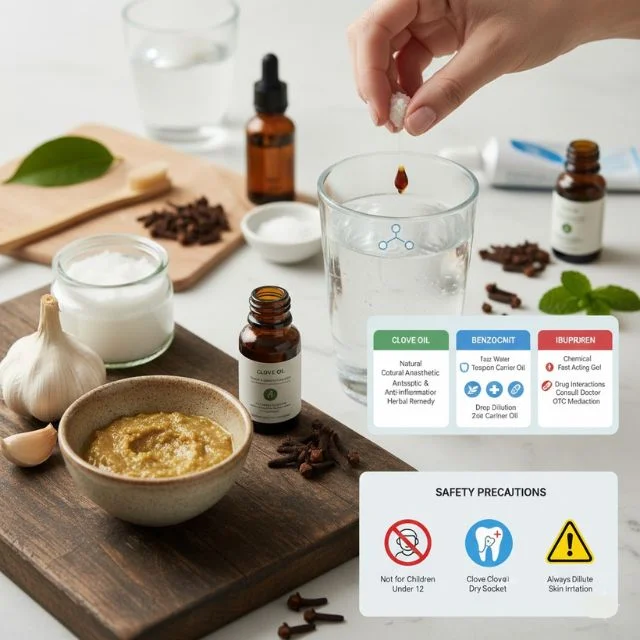
Section 2: 7 Best Clove Oil Remedies for Toothache and Gum Pain
1. The Direct Cotton Swab Method
- Best for: Localized cavities and sharp, pinpointed pain.
- The Process: Mix 2 drops of clove oil with 1/2 teaspoon of a carrier oil (like olive or coconut oil). Dip a sterile cotton swab and apply it directly to the affected tooth.
2. Homemade Clove Oil Mouthwash
- Best for: General tooth sensitivity and widespread gum inflammation.
- The Process: Add 3 drops of clove oil and a pinch of rock salt to a cup of warm water. Swish for 30 seconds and spit out. This also helps with clove oil for gum infection.
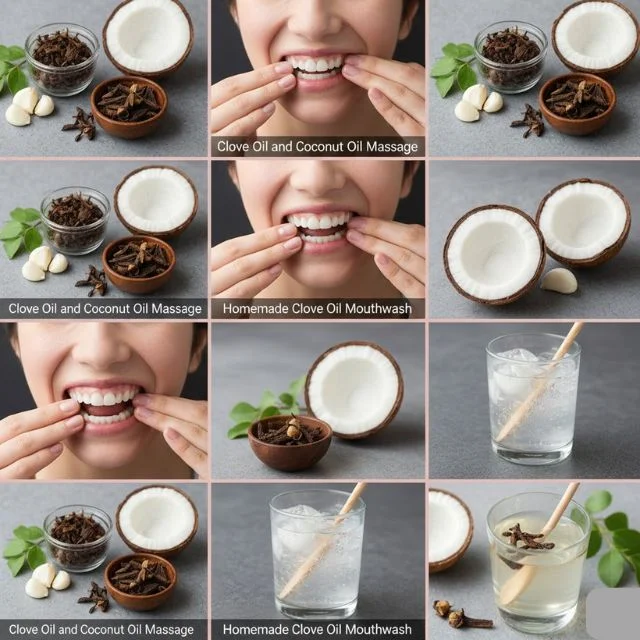
3. Clove and Coconut Oil Massage
Best for: Receding gums and promoting natural oral hygiene at home.
The Process: Mix clove oil with virgin coconut oil in a 1:3 ratio.
Check out Period Drops on Cratejoy
Advanced Gum Tissue Stimulation: Instead of a simple rub, use your clean fingertip to apply the oil blend using soft, rhythmic circular strokes. This technique does more than just deliver the oil; it actively stimulates blood circulation in the localized area. Improved blood flow accelerates the body’s natural healing response, making it one of the most effective natural oral hygiene at home strategies for reducing inflammation and strengthening gums.
💡 Pro-Tip: If you’re using our recommended [Organic Coconut Oil], it makes the perfect carrier oil to dilute clove oil for a soothing effect! For more on the power of oils, don’t forget to check our guide on [Oil Pulling Benefits].
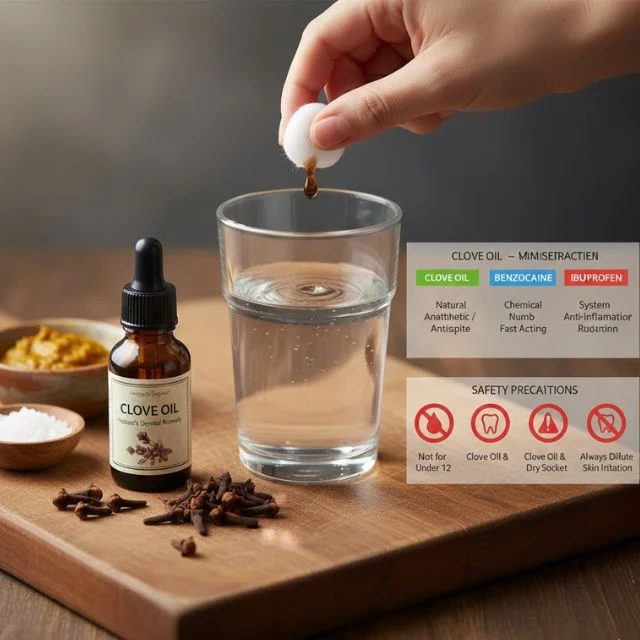
4. The Nighttime Compress
- Best for: Persistent, throbbing pain that prevents sleep.
- The Process: Soak a small piece of gauze in a diluted clove oil mixture. Place it between your cheek and the aching tooth for a slow-release numbing effect while you rest.
5. Clove and Peppermint Synergy
- Best for: Distracting the brain from deep-seated nerve pain using cooling sensations.
- The Process: Mix 1 drop of clove oil, 1 drop of peppermint oil, and 5 drops of carrier oil. Apply to the affected area.
6. Clove Oil with Garlic Paste
- Best for: Severe infections where an abscess might be forming.
- The Process: Crush one garlic clove into a paste and add 2 drops of clove oil. This is a potent remedy for clove oil for gum infection.
7. Whole Clove Chewing
- Best for: On-the-go relief when essential oils are not available.
- The Process: Place a whole clove near the painful area and chew slightly to release its natural juices. Keep it there for 30 minutes.
Section 3: Clove Oil vs. Modern Pain Relievers (Benzocaine & Ibuprofen)
When searching for the best clove oil remedies for toothache and gum pain, it’s essential to understand how it compares to pharmaceutical options.
- Speed vs. Longevity: Benzocaine (found in Orajel) works almost instantly but wears off quickly. Clove oil may take a minute longer to settle, but its antimicrobial properties help fight the cause of clove oil for gum infection simultaneously.
- Targeted vs. Systemic: Ibuprofen reduces inflammation throughout the body. Clove oil provides targeted, topical relief, making it a perfect companion for natural oral hygiene at home.
⚠️ Quick Note: Always dilute clove oil with a carrier oil like coconut or olive oil. Applying undiluted clove oil directly to your gums can cause irritation or burns.
Section 4: Step-by-Step Guide: How to Properly Dilute Clove Oil
Many DIY guides fail to explain dilution, leading to gum burns. To maintain safe natural oral hygiene at home, follow these safety ratios:
- Concentrated Relief for Severe Throbbing: When dealing with sharp, acute dental pain, a more focused ratio is required to effectively numb the nerve. Combine a single drop of high-purity clove essential oil with exactly one teaspoon of a soothing carrier oil, such as cold-pressed olive or sweet almond oil. This creates a safe yet potent 2% dilution, specifically designed to target the source of the ache without causing chemical irritation to the surrounding oral mucosa.
- Preventative Daily Hydro-Rinse: For those prioritizing long-term natural oral hygiene at home, a diluted rinse is ideal for maintaining a healthy bacterial balance. Incorporate 2 drops of clove oil into a standard 8-ounce glass of distilled warm water. This ultra-mild 0.05% concentration is gentle enough for frequent use, helping to disrupt dental biofilms and providing a consistent defense against clove oil for gum infection.
- Safe Carrier Oils: Choose Coconut oil for its antifungal properties or Olive oil for its soothing antioxidants.

Section 5: Proactive Dental Defense – How Clove Oil Prevents Future Complications
Instead of just waiting for pain to strike, incorporating clove oil into your routine acts as a long-term shield for your teeth and gums. Here is how it secures your future dental health:
- Strategic Biofilm Disruption: Clove oil goes beyond surface cleaning; it actively destabilizes the “extracellular polysaccharides”—the sticky glue that allows harmful bacteria to form stubborn plaque. By disrupting this biofilm, it prevents the buildup that leads to tartar and cavities.
- Enamel Remineralization Support: Tooth decay often starts when mouth acidity levels rise. Clove oil helps neutralize acid-producing bacteria, creating an optimal pH balance. This stable environment allows your saliva to naturally remineralize and strengthen your enamel, making it a vital component of natural oral hygiene at home.
- Gingival Resilience: Regular use of highly diluted clove rinses keeps the gum tissues toned and firm, significantly reducing the risk of recession and chronic clove oil for gum infection.
Section 6: When Clove Oil Fails – Signs of Irreversible Pulpitis
Your readers need to know when to stop home treatment. If the pain is “spontaneous” (starts without eating or drinking) or lingers for more than 30 seconds after cold exposure, the nerve may be dying. Clove oil can numb the surface, but clove oil for gum infection cannot reach inside the tooth’s root canal. Seek a dentist immediately if you experience:
- Fever or facial swelling.
- Persistent pus or a foul taste (signs of an abscess).
- Pain that doesn’t respond to any natural oral hygiene at home.
Section 7: Safety and Medico-Legal Precautions
- Children’s Safety: Never apply clove oil directly to the gums of children under 12 without proper dilution. It is generally discouraged for infants as swallowing small amounts can be toxic.
- Drug Interactions: Clove oil may slow blood clotting. If you are on blood thinners, consult a physician before using the best clove oil remedies for toothache and gum pain.
Section 8: Using Clove Oil Remedies for Toothache and Dry Socket Prevention
One of the most painful dental conditions is a “dry socket,” which occurs after a tooth extraction. Research has shown that eugenol-based dressings are superior in managing this pain.
- The Clinical Connection: Many dentists use a paste containing eugenol to treat dry sockets. While you should never pack a socket yourself at home, applying a very diluted clove oil compress to the neighboring teeth can help soothe the radiating nerve pain while maintaining natural oral hygiene at home.
Section 9: Clove Oil and the Oral Microbiome – A Delicate Balance
Unlike harsh chemical mouthwashes that kill both good and bad bacteria, clove oil is more selective.
- Selective Antimicrobial Action: Studies suggest that clove oil effectively targets Porphyromonas gingivalis, the primary pathogen in clove oil for gum infection, without completely wiping out the beneficial bacteria that protect your mouth’s ecosystem.
- Biofilm Management: It prevents the formation of “extracellular polysaccharides”—the sticky substance that allows plaque to glue itself to your enamel.
Section 10: Psychological Benefits: Aromatherapy for Dental Anxiety
Dental pain is often accompanied by high levels of stress and anxiety, which can actually lower your pain threshold.
- The Sensory Distraction: The strong, familiar scent of clove oil has an aromatherapeutic effect. Inhaling the scent while applying the best clove oil remedies for toothache and gum pain can help lower cortisol levels, making the physical pain feel more manageable.
Section 11: Comparing Clove Oil Quality: Essential Oil vs. Infused Oil
Not all clove oils are created equal. For effective natural oral hygiene at home, you must choose the right type:
- Steam-Distilled Essential Oil: This is the most potent form, containing the highest concentration of eugenol. It must always be diluted.
- Clove Infused Oil: Made by soaking whole cloves in a carrier oil for weeks. This is much milder and safer for those with extremely sensitive gums, though it takes longer to act on sharp toothaches.
- Purity Test: To check for purity, drop one drop of the oil on a piece of paper. If it leaves a permanent oily ring after 24 hours, it may be diluted with cheap vegetable oils and is not pure essential oil.
Refresh Your Lips with Key Lime Lip Balm!
Organic, refreshing, and perfect for dry lips. Shop Now on Cratejoy
Section 12: How to Combine Clove Oil with Other Pantry Staples
To maximize the best clove oil remedies for toothache and gum pain, you can create a “Triple Threat” paste:
- Turmeric: Add a pinch for its curcumin, which helps with deep tissue inflammation.
- Clove Oil: 2 drops for numbing and bacteria killing.
- Coconut Oil: To create a spreadable consistency and add lauric acid for further antimicrobial support.
- Application: Apply this paste to the gum line near the aching tooth for a holistic approach to clove oil for gum infection.
Section 14: Frequently Asked Questions about Clove Oil Remedies for Toothache
Clove oil for gum infection works by using its antimicrobial properties to reduce bacterial colonies along the gum line.
Typically, the effect lasts for 1 to 3 hours, depending on the dilution ratio used and the severity of the tooth pain.
It is recommended for short-term relief (2-3 days). Long-term daily use without professional guidance can lead to tissue irritation.
No. While it provides a solution for natural oral hygiene at home, it cannot restore tooth enamel or replace a professional filling.
Yes, it is highly effective for numbing the area around erupting wisdom teeth, though dilution is essential to prevent burning the surrounding soft tissue.
Conclusion: Embracing Natural Oral Hygiene at Home
Clove oil remains one of the most powerful and scientifically backed clove oil remedies for toothache available in nature. Whether you use the direct cotton swab method or a soothing daily rinse, incorporating this essential oil into your routine can provide rapid, effective relief while supporting your natural oral hygiene at home.
However, it is vital to remember that while clove oil for gum infection and pain management is incredibly effective, it is a temporary solution. Protecting your long-term dental health requires a balance of natural remedies and regular professional check-ups. By following the dilution guidelines and safety precautions outlined in this guide, you can safely harness the power of cloves to maintain a healthy, pain-free smile.
Medical Disclaimer
Mandatory Health Notice: The insights provided in this guide are intended for educational and supportive purposes only. This content is not a substitute for the diagnosis, treatment, or advice of a qualified dental professional. If you are experiencing persistent swelling, fever, or chronic pain, please consult a licensed dentist immediately to ensure your safety and proper care. Always consult a licensed dentist for persistent pain or infection.
Weights Fits Advisory: Our insights are research-based but not medical prescriptions. Every body is different; please consult a healthcare professional before starting any new diet or fitness plan. Use this information at your own discretion.