Ozempic Face Warning 2026: How RapidWeight Loss Ages Your Skin and7 Ways to Fight Back
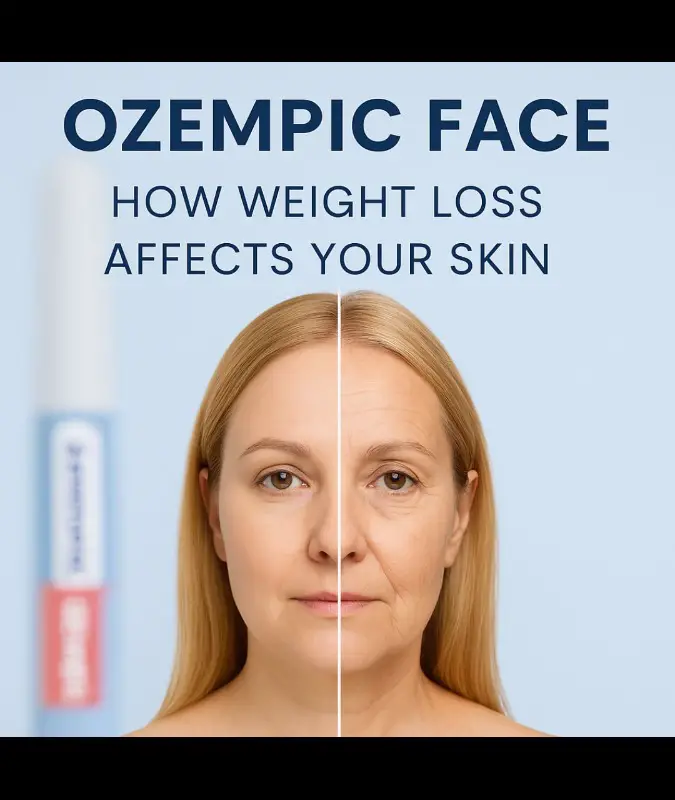
She lost 40 pounds on Ozempic in 4 months. Everyone complimented her body. But she stopped taking selfies. Because every time she looked in the mirror — the face staring back at her looked 10 years older than the one she remembered. Nobody warned her this was coming. Not her doctor. Not the ads. This is the complete truth about what Ozempic does to your face — and what the dermatologists wish they had told you sooner.
Let’s explore what’s really happening to your skin when you lose weight rapidly with these drugs—and what science says about it.
What is “Ozempic Face”?
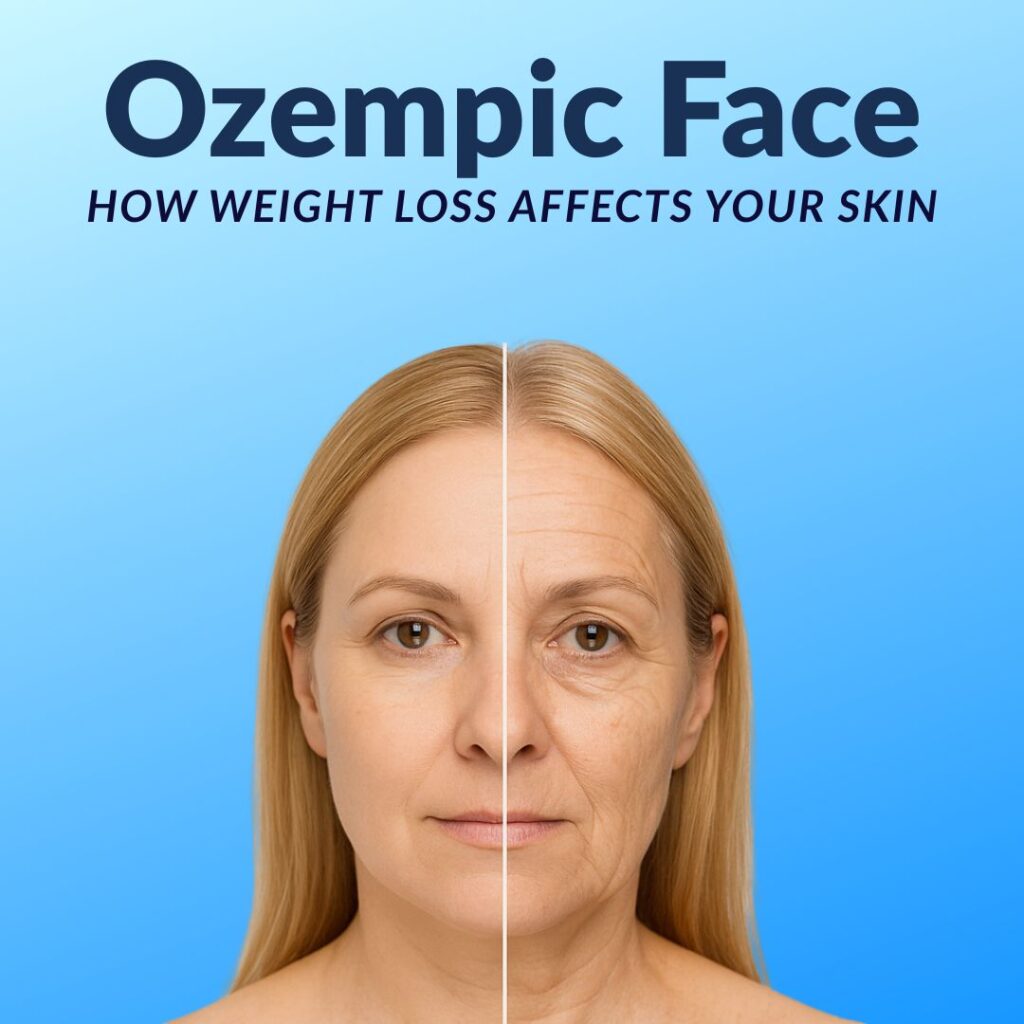
“Ozempic face” is a colloquial term coined by dermatologists and patients to describe the facial changes observed in people taking GLP-1 medications. These changes typically include:
- Hollowed cheeks
- Sagging skin
- More visible fine lines and wrinkles
- Overall loss of youthful plumpness
While these effects are not medically dangerous, they can be emotionally distressing—especially for individuals who weren’t prepared for the trade-off between a slimmer body and an older-looking face.
What Causes Ozempic Face?
Several physiological changes happen during rapid weight loss, especially when it’s drug-induced:
1. Rapid Fat Loss
Our facial structure relies on a natural layer of subcutaneous fat, which helps maintain a soft, full, and youthful look. When weight loss is rapid and significant, this fat disappears, especially in the cheeks and jawline, resulting in a more gaunt or aged look.
2. Muscle Volume Reduction
GLP-1 medications can sometimes lead to muscle mass loss if not combined with resistance training. When facial muscles lose strength, the skin may begin to droop and the contours of the face lose definition.
3. Dehydration and Skin Elasticity
These drugs can suppress appetite and thirst, leading to decreased water intake. Chronic dehydration impacts skin elasticity, making it appear more wrinkled and saggy.
The Science Behind Ozempic Face and Your Skin
1. Collagen and Elastin Breakdown
Collagen and elastin are the proteins that keep your skin firm and elastic. Rapid weight loss can reduce the skin’s ability to produce new collagen, while existing collagen may degrade faster due to oxidative stress and nutrient deficiencies.
2. Skin Doesn’t Bounce Back Instantly
While our skin is naturally elastic, it can only stretch and recover to a certain extent. If weight is lost too quickly, the skin doesn’t get enough time to adapt. Especially in older individuals (30+), skin tends to lose its natural bounce-back ability.
3. Before-and-After Skin Texture
Many users notice a drastic difference in skin tone and texture before and after their weight loss journey. As the body sheds weight, the face can sometimes look gaunt, exhausted, or older than usual due to volume loss.
Is It Dangerous or Just Cosmetic?
So, is Ozempic face a serious concern?
Medical Perspective
From a clinical point of view, these facial changes are not harmful or life-threatening. Most doctors agree it’s primarily a cosmetic issue and can be reversed or improved with proper skincare and lifestyle.
Mental Health Consideration
However, the emotional impact shouldn’t be overlooked. For many, the unexpected facial changes can lead to reduced confidence and self-esteem. This is why it’s essential to be aware of the potential side effects—beyond just the number on the scale.
How to Prevent or Treat Ozempic Face
The good news? There are ways to manage or even reverse the signs of Ozempic face.
Looking for a trusted collagen supplement that combines collagen, biotin, and Vitamin C in one formula? This is what I recommend:
RejuviCare Collagen Beauty Formula | Collagen + Biotin + Vitamin C
Only $15.84 🛒 Get Collagen Beauty Formula — $15.84
1. Stay Hydrated
Drink plenty of water daily. Lack of hydration can make fine lines more prominent and give the skin a tired, lackluster appearance. A good rule of thumb is at least 8–10 glasses per day, more if you’re active or sweating.
2. Follow a Targeted Skincare Routine
Use products rich in:
- Hyaluronic acid (for hydration)
- Retinol (for cell turnover)
- Vitamin C (for collagen support)
Regular exfoliation, moisturizing, and sunscreen are crucial.
3. Consider Non-Invasive Treatments
- Dermal fillers to restore facial volume
- Microneedling or radiofrequency therapy for skin tightening
- Laser treatments to enhance skin texture and elasticity
These treatments can subtly restore your natural facial contours.
4. Prioritize Protein and Collagen
Ensure your diet supports skin health by including:
- Lean protein (chicken, fish, legumes)
- Bone broth
- Collagen peptides
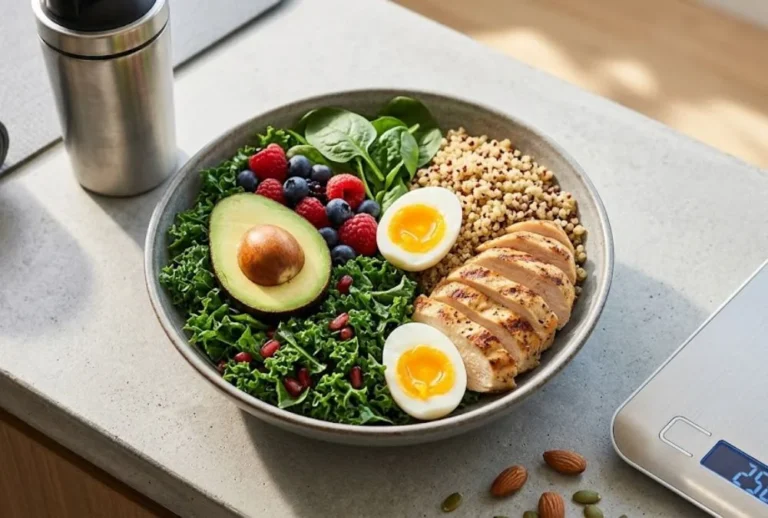
- Nutrient-dense foods such as spinach, blueberries, and oranges are packed with essential vitamins that support healthy skin.
Supplements like collagen powder, biotin, and omega-3s can also help.
Vitamin C is essential for collagen production — especially during rapid weight loss. Here is a trusted and affordable option:
McKesson Geri-Care Vitamin C — 250mg | 100 Tablets
Only $13.44 🛒 Get Vitamin C from HerbsPro
5. Combine Weight Loss with Strength Training
Including strength training or resistance-based workouts in your routine can help preserve muscle mass during weight loss. This helps maintain both body and facial muscle tone.
6. Facial Yoga and Exercise
Most people focus entirely on their body during weight loss and completely forget their face has muscles too. Targeted facial exercises — cheek lifts, jaw stretches, and brow raises — stimulate blood flow and help maintain the underlying muscle structure that keeps your face looking full and defined.Just 10 focused minutes every morning before your skincare routine can create noticeable improvements in facial tone within 4 to 6 weeks.Think of it as a gym session — but for your face.
7. Slow Your Weight Loss Rate
Here is something the Ozempic advertisements will never tell you —Your skin has a speed limit.Push past it and it simply cannot keep up. Dermatologists consistently find that patients who lose weight gradually — no more than one to two pounds per week — experience significantly less facial volume loss and skin sagging than those who lose the same total amount rapidly.
If your doctor agrees it is medically appropriate, consider adjusting your dose or timeline to give your skin the time it desperately needs to adapt. Slower is not failure. Slower is actually smarter for your long-term appearance.
8. Omega-3 Fatty Acids Daily
While most people taking Ozempic are carefully watching what they eat — very few are intentionally adding the one category of fat that directly protects their skin during significant weight loss.Omega-3 fatty acids — found naturally in wild salmon, walnuts, chia seeds, and sardines — do something remarkable for skin during rapid weight loss.They reinforce the lipid barrier that keeps moisture locked inside your skin cells, reduce the inflammation that accelerates collagen breakdown, and maintain the natural suppleness that gives skin its healthy bounce.
Consider adding at least one omega-3 rich food to every single meal during your weight loss journey.Your face will show the difference before the scale does.
FAQs
No. It’s more common in people who lose weight rapidly or have significant weight loss (10+ kg). Factors like your genetic makeup, age, and daily skincare routine also influence how your skin responds to changes.
In many cases, these facial changes may gradually improve as the body adapts to the new weight. With proper hydration, diet, and skincare, visible signs can improve in a few months.
Yes, in mild situations, proper hydration, balanced nutrition, and a consistent skincare routine can help restore facial vitality. Severe cases may need dermatological treatments like fillers or skin tightening procedures.
Conclusion
Weight loss can be empowering and life-changing, but it’s important to understand all aspects of the journey—including how it may affect your appearance. “Ozempic face” may sound scary, but with the right precautions, knowledge, and self-care, it doesn’t have to be permanent or problematic.
If you’re considering GLP-1 medications like Ozempic, consult both your doctor and a dermatologist. A balanced approach to weight loss—with gradual goals, healthy habits, and support for your skin—will help you look and feel your best, inside and out.
Tip: Always focus on your overall health, not just the number on the scale or the shape of your face.