
How to Reduce Arm Fat for Women: A Realistic, Science-Based Plan
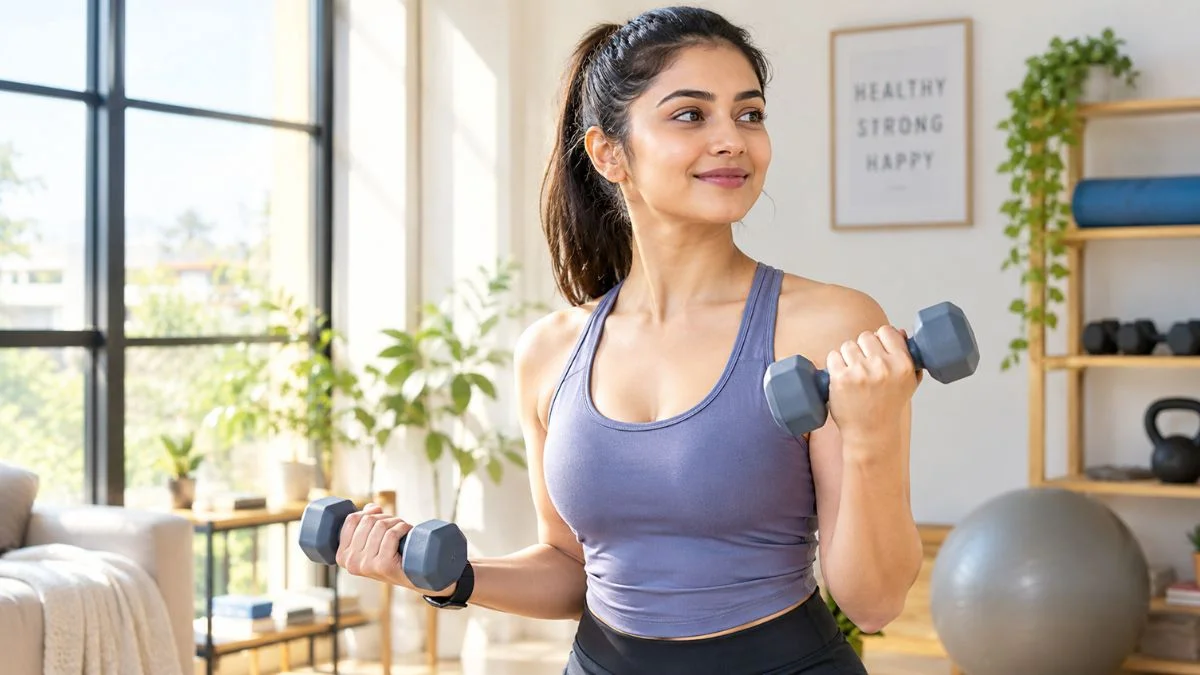
If you have ever skipped a sleeveless top because of how your upper arms look, you are in good company. Plenty of women store extra fat there, and it can be discouraging when endless bicep curls never seem to change a thing.
Affiliate Disclosure: Heads up: some links in this article are affiliate links. If you buy through one of them, the seller may pay me a small referral fee, and the price you pay stays exactly the same. I only mention items I would happily suggest to a friend.
Here is the straight answer: fat cannot be burned from one chosen spot. Studies on “spot reduction” keep showing that working a muscle does not make the fat above it vanish faster. The upside is that you have a clear path. Lower your overall body fat, then build the muscle underneath, and your arms will look leaner and firmer.
This guide explains why arms hold on to fat, how to eat for fat loss without feeling deprived, which exercises are worth your time, and a weekly plan you can begin right away.
Why Your Arms Store Fat
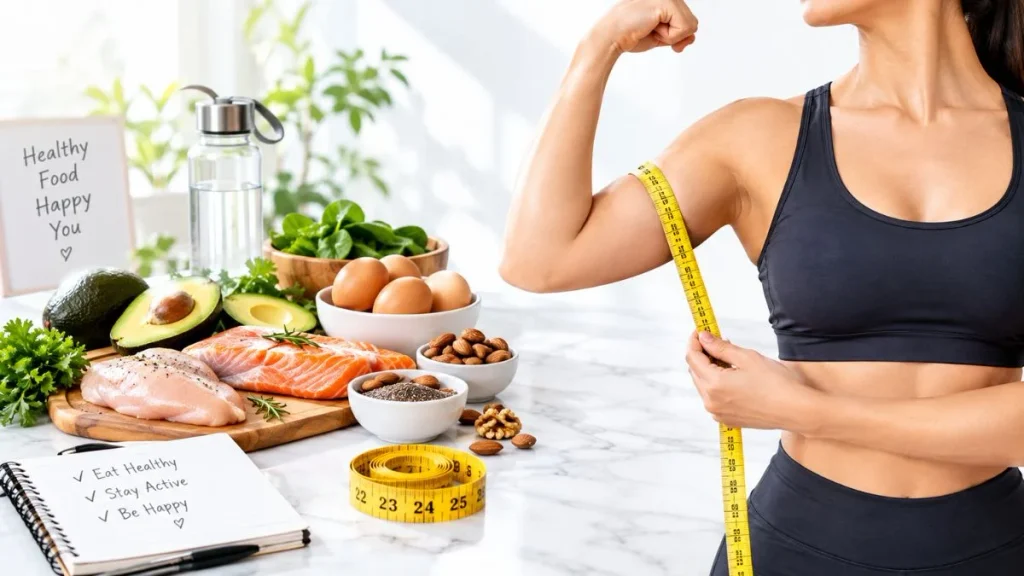
In most cases, several factors work together:
- Genetics. Your family partly decides where your body keeps fat. If your mother or grandmother carried weight in her arms, you may do the same.
- Hormones. Women tend to store fat in the hips, thighs, and arms. Pregnancy, perimenopause, and menopause can all shift that pattern.
- Overall body fat. The higher your total body fat, the more your arms will usually hold.
- Low muscle tone. With less muscle beneath the skin, arms can look softer even at a moderate weight.
- Daily habits. A mostly sitting routine, high-calorie eating, short sleep, and constant stress all make fat loss harder.
Genes load the dice, but they do not write the ending. What you do each day still counts.

(Affiliate link: I may earn a commission if you buy through this link, at no extra cost to you.)
What Actually Works (and What Does Not)
Let us bust the biggest myth first. Tricep dips will not melt the fat sitting on top of your triceps. Where fat comes off first is mostly set by genetics and hormones, not by the muscle you train.
What does work is a three-part approach:
- A modest calorie deficit, so your body taps stored fat for fuel.
- Regular cardio, to raise the calories you burn and protect your heart.
- Strength training, to build and keep muscle so your arms look toned as fat decreases.
Stick with all three and your arms will slim down along with the rest of your body.
Eating to Lose Arm Fat
A harsh diet is not the answer. Aim for a small calorie deficit you can live with, built on foods that keep you satisfied.
Build your plate around
- Lean protein: eggs, chicken, fish, Greek yogurt, lentils, beans, and tofu. Protein keeps hunger in check and gives your muscles the material they need to rebuild after training. (For more ideas, see healthy foods that keep you full .
- Fiber-rich carbs: oats, brown rice, quinoa, fruit, and vegetables.
- Healthy fats, in sensible portions: avocado, nuts, seeds, and olive oil. They are nourishing but calorie-dense, so measure with your eyes.
Go easy on
- Sugary drinks, pastries, and candy
- Heavily processed snacks and fast food
- Alcohol, which adds calories fast and can loosen your portion control
Dairy can stay on the menu. If you enjoy it, pick plain Greek yogurt or low-fat milk and keep an eye on serving size. What matters most is showing up regularly, not eating flawlessly.
A quick word on water. Good hydration helps you train and recover well, and a glass before meals helps some people eat a little less. Still, water is not a fat-burning trick. Treat it as support, not a solution.
If you live with a medical condition, are pregnant or nursing, or take regular medication, speak with your doctor or a registered dietitian before changing how you eat.
Cardio That Supports Fat Loss
Cardio will not single out your arms, but it increases your weekly calorie burn and strengthens your heart. The WHO and the CDC both advise adults to get at least 150 minutes of moderate activity a week, or about 75 minutes of vigorous activity.
Good choices include:
- Brisk walking or hiking: gentle on joints and ideal for beginners
- Swimming: works arms, shoulders, and core together
- Rowing machine: a strong full-body option that loads the upper body
- Boxing or shadow boxing: energetic and arm-focused
- Jump rope or jumping jacks: fast and effective at home. A basic speed jump rope [YOUR AFFILIATE LINK] is cheap and easy to store. (Affiliate link: a purchase through it may earn me a small fee, at no added cost to you.)
- Cycling: great for burning calories, though it mainly trains the legs

Try HIIT once or twice a week. High-intensity interval training alternates short, hard efforts with rest. For example, do 30 seconds of fast jumping jacks, rest 30 seconds, and repeat for 10 to 15 minutes. If you are new to this, ease in and add intensity week by week.
Arm Strength Exercises: Sets, Reps, and Form
Lifting will not burn arm fat directly. What it does is build muscle, and more muscle gives you firmer, more defined arms as the fat comes down. It also helps you hold on to muscle while you lose weight.
No gym is required. Light dumbbells Gravity Fitness Wooden Gymnastic Rings
or an elastic band (See options here 
(Affiliate link: I may earn a commission if you buy through this link, at no extra cost to you.) cover everything below. (Affiliate links: if you shop through them, I may receive a small commission and you pay nothing extra.)
1. Push-ups
Beginner version: incline or knee push-ups. Works chest, shoulders, and triceps. Hold a straight line from head to heels and lower yourself slowly.
3 sets of 6 to 12 reps
2. Triceps dips (sturdy chair or bench)
Keep your back close to the seat and bend your elbows to about 90 degrees with relaxed shoulders. Bend your knees more to make it easier.
3 sets of 8 to 12 reps
3. Dumbbell biceps curls
Pin your elbows to your sides and avoid swinging. Pick a load that feels hard by your final couple of reps.
3 sets of 10 to 12 reps
4. Overhead triceps extension
Hold one dumbbell with both hands behind your head, then straighten your arms upward slowly.
3 sets of 10 to 12 reps
5. Shoulder press
Press dumbbells from shoulder height to overhead. Strong shoulders add shape to the whole arm.
3 sets of 8 to 12 reps
6. Bent-over row
Hinge forward at the hips and pull a dumbbell toward your ribs. This trains the upper back and the backs of the arms.
3 sets of 10 reps per side
7. Plank to shoulder tap (optional)
A core and shoulder move that adds variety to your week.
3 sets of 20 seconds
How to progress: once every set feels clean, add a little weight, a few extra reps, or switch to a tougher variation. That steady step up keeps your muscles adapting.
A Sample Weekly Plan
This layout fits around a busy schedule:
| Day | Workout |
| Monday | Arm and upper-body strength (exercises 1 to 5) |
| Tuesday | 30 minutes of brisk walking or cycling |
| Wednesday | Rest or light stretching |
| Thursday | Strength: push-ups, rows, curls, triceps work |
| Friday | 20 minutes of HIIT or swimming |
| Saturday | Long walk, hike, or any activity you enjoy |
| Sunday | Rest |
Training arms about twice a week is plenty. Your muscles actually get stronger in the hours after training, while they repair.
Recovery, Sleep, and Stretching
Rest belongs in the plan, not outside of it.
- Schedule rest days. One or two lighter days each week help muscles recover and lower injury risk.
- Aim for 7 to 9 hours of sleep. Short sleep is linked to stronger hunger and cravings, which can quietly erase your effort.
- Stretch after workouts. It will not burn arm fat, but it keeps you loose and comfortable so you can stay consistent.
- Try yoga or Pilates. Both support posture, mobility, and stress relief, all of which help a routine last.
How to Track Progress
The scale only tells part of the story, especially while you are building muscle. Combine a few measures:
- Tape measurements: record the midpoint of your upper arm once a month
- Progress photos: same lighting and pose, every 3 to 4 weeks
- Strength gains: note when you lift heavier or finish extra reps
- Fit of your clothes: often the first sign that things are changing
If nothing has shifted after 4 to 6 weeks, review your portions, consistency, sleep, and how demanding your workouts are.

(Affiliate link: I may earn a commission if you buy through this link, at no extra cost to you.)
How Long Does It Take?
No one can give you a precise date, since bodies respond at different speeds. Many people feel stronger and more energetic within 3 to 4 weeks, and visible changes in the arms often show up between weeks 8 and 12 of steady effort. Losing about 0.5 to 1 pound a week is easier to maintain than a crash diet. For a bigger-picture plan, read our beginner weight loss guide .
Gradual progress feels slow, yet it is the kind that stays.
FAQs
There is no safe shortcut, but you can move faster by pairing a small calorie deficit with regular cardio, two strength sessions a week, good sleep, and patience. Crash diets usually backfire.
Genetics, hormones, and low muscle tone can all play a part. Lifting can change how your arms look even if the number on the scale hardly moves.
Yes. Building muscle through regular strength work while lowering overall body fat makes arms look firmer and more defined.
Two sessions a week, with a day or two between them, suits most people.
If you have an injury, a health condition, or are returning to exercise after a long break, check with a healthcare professional before you begin.

Buy Orgain Collagen on HerbsPro
Final Thoughts
Reducing arm fat is not about discovering one magic move. It comes down to simple habits repeated often: eat well, move daily, lift with good form, sleep enough, and give your body time.
Start small this week. Choose two strength days and two cardio days from the plan above, then build from there. In a few weeks you will likely feel stronger, and within a few months the difference will be visible.
Disclosure: WeightsFits.com takes part in selected affiliate programs, so qualifying purchases made through links on this page can generate a small payment for the site. Our advice is written independently of those partnerships.
Medical Disclaimer: This article is for general education and is not medical advice. Please talk with a doctor or qualified professional before starting a new diet or exercise program.
About the Author
Mst Shahnaj Begum is the founder of WeightsFits.com, where she writes about natural weight loss, nutrition, and healthy living. She holds a Master of Arts and has spent more than two years building WeightsFits.com into a resource for simple, practical wellness tips readers can use in everyday life.


