Early Symptoms of Neurological Disorders
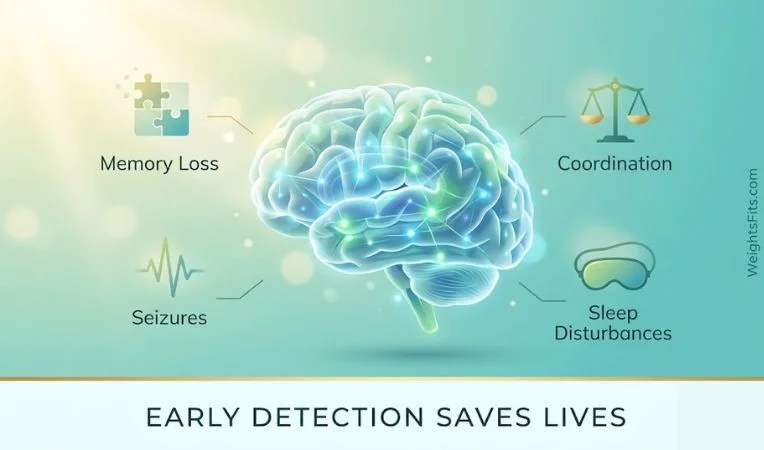
Early Symptoms of Neurological Disorders . Many different conditions that impact the brain, spinal cord, and nerves are categorized as neurological disorders. These disorders can have profound impacts on an individual’s quality of life, and early detection is crucial for effective management and treatment. Identifying the early symptoms of neurological disorders can be challenging due to the diverse manifestations and gradual onset of many conditions. This article explores some common early symptoms associated with various neurological disorders, emphasizing the importance of early recognition and medical consultation.
1. Headaches and Migraines
While headaches are common and often benign, persistent or severe headaches can signal an underlying neurological issue. Migraines, characterized by intense, throbbing pain often accompanied by nausea, vomiting, and sensitivity to light and sound, can be an early indicator of conditions like multiple sclerosis or brain tumors. Cluster headaches, which occur in cyclical patterns, may also suggest neurological abnormalities.
2. Numbness and Tingling
Numbness and tingling, particularly in the extremities, are common early symptoms of neurological disorders such as peripheral neuropathy, multiple sclerosis, and transient ischemic attacks (TIAs). These sensations often result from damage to the peripheral nerves, spinal cord, or brain. In multiple sclerosis, for example, the immune system attacks the protective sheath covering nerve fibers, leading to communication problems between the brain and the rest of the body.
3. Muscle Weakness
Unexplained muscle weakness can be an early sign of several neurological conditions, including amyotrophic lateral sclerosis (ALS), myasthenia gravis, and muscular dystrophy. ALS, also known as Lou Gehrig’s disease, affects nerve cells in the brain and spinal cord, leading to loss of muscle control. Myasthenia gravis causes weakness in the voluntary muscles, often first noticeable in the eye muscles, facial muscles, and swallowing.

4. Memory Loss and Cognitive Decline
Memory problems and cognitive decline are hallmark symptoms of neurological disorders such as Alzheimer’s disease, Parkinson’s disease, and vascular dementia. Early signs of Alzheimer’s include difficulty remembering recent events, confusion about time or place, and challenges in planning or solving problems. In Parkinson’s disease, cognitive changes may include slowed thinking and impaired judgment, often accompanying the more well-known motor symptoms.
5. Seizures
Seizures are sudden, uncontrolled electrical disturbances in the brain and can be an early symptom of epilepsy, brain tumors, or stroke. They can manifest as convulsions, staring spells, or brief episodes of unconsciousness. Identifying the cause of seizures is critical for proper treatment and management, as different neurological disorders require specific therapeutic approaches.
6. Vision Problems
Early neurological symptoms can include various vision problems, such as blurred vision, double vision, and loss of peripheral vision. These symptoms may indicate conditions like multiple sclerosis, optic neuritis, or brain tumors. Optic neuritis, inflammation of the optic nerve, often presents with pain and temporary vision loss in one eye, commonly associated with multiple sclerosis.
7. Balance and Coordination Issues
Difficulties with balance and coordination can be early indicators of neurological disorders such as Parkinson’s disease, multiple sclerosis, and cerebellar ataxia. Parkinson’s disease, characterized by tremors, stiffness, and slow movement, often begins with subtle changes in balance and gait. Cerebellar ataxia, which affects the part of the brain responsible for coordination, can cause unsteady movements and difficulty with fine motor tasks.
8. Speech and Swallowing Difficulties
Speech and swallowing difficulties can be early signs of neurological disorders like ALS, stroke, and Parkinson’s disease. In ALS, muscle weakness can affect the muscles responsible for speech and swallowing, leading to slurred speech and difficulty eating or drinking. Similarly, a stroke can damage the brain regions controlling these functions, causing sudden and severe speech and swallowing problems.

9. Mood Changes and Depression
Neurological disorders can also present with psychological symptoms such as mood changes, depression, and anxiety. Conditions like Parkinson’s disease, Huntington’s disease, and multiple sclerosis often involve significant emotional and behavioral changes. Depression is common in Parkinson’s disease, potentially preceding the motor symptoms by several years. Huntington’s disease, a genetic disorder affecting the brain, can cause irritability, depression, and personality changes early in the disease course.
10. Sleep Disturbances
Sleep disturbances, including insomnia, excessive daytime sleepiness, and restless legs syndrome, can be early symptoms of neurological disorders such as Parkinson’s disease, Alzheimer’s disease, and narcolepsy. In Parkinson’s disease, changes in the brain’s dopamine system can disrupt sleep patterns. Alzheimer’s disease can lead to changes in the sleep-wake cycle, causing individuals to become restless at night and sleepy during the day.
The Importance of Early Detection
Recognizing the early symptoms of neurological disorders is vital for several reasons:
- Timely Intervention: Early detection allows for timely intervention, which can slow the progression of the disease and improve the quality of life.
- Treatment Options: Many neurological disorders have treatments that are more effective when started early. For example, medications for multiple sclerosis can reduce the frequency and severity of relapses if administered early.
- Improved Prognosis: Early diagnosis and management can improve the long-term prognosis of many neurological conditions, potentially delaying severe disability.
- Support and Resources: Early diagnosis provides individuals and families with access to support services, resources, and education, helping them manage the disease more effectively.

When to Seek Medical Attention
If you or a loved one experiences any of the following symptoms persistently, it is crucial to seek medical attention:
- Severe or unusual headaches
- Persistent numbness or tingling
- Unexplained muscle weakness
- Memory problems or cognitive decline
- Seizures or convulsions
- Vision changes
- Balance and coordination issues
- Difficulty speaking or swallowing
- Significant mood changes or depression
- Sleep disturbances
A healthcare professional can perform a comprehensive evaluation, including a medical history, physical examination, and diagnostic tests, to determine the underlying cause of the symptoms.
Frequently Asked Questions (FAQs)
While symptoms vary, persistent headaches, unexplained fatigue, and mild memory lapses are often the earliest indicators. However, since these can also stem from stress, it’s important to monitor their frequency.
Yes, high stress and anxiety can lead to symptoms like muscle twitching, numbness, and “brain fog,” which often mimic neurological issues. Consulting a specialist helps differentiate between the two.
If numbness or tingling occurs suddenly on one side of the body, or is accompanied by weakness and slurred speech, it requires immediate emergency medical attention as it could indicate a stroke or TIA.
No, most migraines are a primary condition and not caused by tumors. However, if a migraine pattern changes suddenly or starts after age 50, it warrants a neurological evaluation.
Absolutely. Chronic sleep deprivation can lead to impaired coordination, memory loss, and mood swings. Improving sleep hygiene often resolves these “pseudo-neurological” symptoms.
Conclusion
Neurological disorders can present with a wide array of early symptoms, ranging from headaches and vision problems to muscle weakness and cognitive decline. Recognizing these symptoms early and seeking medical attention is essential for timely diagnosis and intervention. By understanding the early signs of neurological disorders, individuals and healthcare providers can work together to manage these conditions effectively, improving outcomes and quality of life for those affected.