How to Do Intermittent Fasting by Age: What Science Says
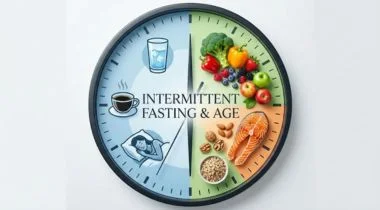
Intermittent fasting (IF) by Age has gained immense popularity as a weight loss method and for its numerous health benefits, including improved metabolism, enhanced cognitive function, and increased longevity. However, the body’s nutritional and energy needs change as we age, and intermittent fasting should be approached differently based on age. This guide outlines how intermittent fasting can be tailored by age group to ensure optimal results and health outcomes.
What is Intermittent Fasting?
An eating pattern known as intermittent fasting alternates between eating and fasting intervals. IF places more emphasis on when to eat than typical diets, which concentrate on what to consume. The most common fasting schedules include:
- 16:8 Method: Fasting for 16 hours and eating within an 8-hour window.
- 5:2 Method: Eating normally for 5 days a week and significantly reducing calorie intake (500–600 calories) for 2 non-consecutive days.
- Alternate-Day Fasting: Alternating between a day of normal eating and a day of calorie restriction.
- 24-hour Fast: Fasting for a full 24 hours once or twice a week.

How Intermittent Fasting Affects the Body
During a fast, the body undergoes several changes. Blood sugar levels drop, leading to the breakdown of stored fat for energy. Fasting also induces autophagy, a process where the body cleans out damaged cells, promoting cellular repair. Hormones like insulin and growth hormone are regulated, leading to fat loss and muscle preservation. Age can, however, have a different impact on these impacts.
Intermittent Fasting by Age Group
Ages 18-29: Building Healthy Habits
Young adults in their late teens and twenties are typically in a phase of high metabolism and energy. This is a good time to build healthy eating and exercise habits, and intermittent fasting can fit well into an active lifestyle.
Benefits:
– Supports weight management and muscle gain.
– Enhances cognitive function and focus, beneficial for students or young professionals.
– Improves nutrient absorption and speeds up metabolism.
Best Approach: The 16:8 method is ideal for this age group, as it fits well into a busy schedule and provides enough nutrients for muscle building and energy.
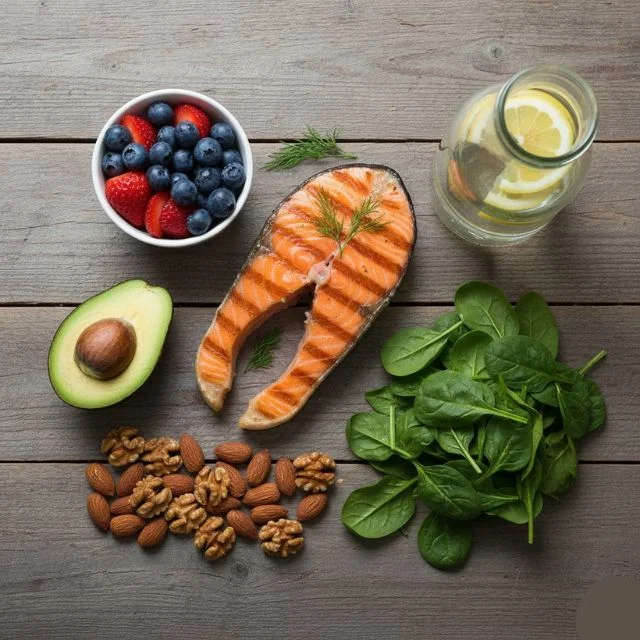
Considerations: Focus on nutrient-dense foods during eating windows, especially since bone density and muscle growth are critical during these years. Hydration and adequate protein intake are also essential.
2. Ages 30-39: Balancing Career and Family
In the 30s, many people are balancing careers, family life, and personal health. This period can bring increased stress, hormonal changes, and a slight metabolic slowdown.
Benefits:
– Helps in weight management, especially for those experiencing the early signs of a slowing metabolism.
– Improves insulin sensitivity, lowering the risk of developing type 2 diabetes.
– Supports mental clarity, aiding in the management of career and family-related stress.
Best Approach: The 16:8 method or 5:2 method can work well in this age group. Both methods help regulate calorie intake while allowing flexibility in daily routines.
Considerations: Due to the hectic nature of this life stage, it’s important to plan meals that are nutrient-rich to avoid deficiencies. Women, in particular, should ensure they are getting enough calcium and iron to support bone health and reproductive function.
3. Ages 40-49: Combatting Metabolic Slowdown
The 40s is often the period when metabolism slows significantly, and the body starts storing fat more easily. Hormonal changes in both men and women can lead to weight gain, particularly around the midsection.
Benefits:
– Decreases visceral fat, which builds up around organs and raises health concerns.
– Promotes hormonal balance, which can alleviate premenopausal symptoms in women.
– Promotes heart health by lowering inflammation and raising cholesterol.
Best Approach: The 5:2 method or alternate-day fasting may be more effective for this age group, as they create a larger calorie deficit and help manage weight gain associated with hormonal shifts.
Considerations: As metabolism slows, it becomes increasingly important to focus on quality foods. Include plenty of fiber, lean proteins, healthy fats, and calcium to support bone health and prevent age-related muscle loss.
4. Ages 50-59: Supporting Longevity and Health
In the 50s, health becomes more of a priority, and many start focusing on longevity. Menopausal and post-menopausal women may experience significant hormonal changes, while men may notice a further reduction in muscle mass and energy.
Benefits:
– Improves longevity by enhancing autophagy, the body’s cellular repair process.
– Lowers the chance of developing long-term conditions like cancer, type 2 diabetes, and heart disease.
– Promotes cognitive performance and may lower the chance of developing neurodegenerative illnesses like Alzheimer’s.
Best Approach: The 16:8 method is generally safe and sustainable for those in their 50s, as it allows sufficient nutrient intake while offering the benefits of intermittent fasting.
Considerations: Muscle mass naturally decreases with age, so it’s crucial to include resistance training alongside fasting. Ensure a balanced intake of protein, omega-3 fatty acids, and vitamins like B12 and D to support muscle and bone health.

5. Ages 60+: Prioritizing Health over Weight Loss
In the 60s and beyond, the primary focus of intermittent fasting should shift from weight loss to maintaining health and vitality. Older adults are more susceptible to nutrient deficiencies, muscle loss (sarcopenia), and slower recovery times.
Benefits:
– Supports cognitive function, potentially reducing the risk of age-related cognitive decline.
– Enhances heart health by reducing inflammation and improving cholesterol levels.
– Promotes healthy aging through autophagy, which can reduce the risk of diseases like cancer.
Best Approach: A more relaxed version of the 16:8 method is recommended. Avoid prolonged fasting, as it may lead to muscle loss or nutrient deficiencies. Fasting windows may be shortened to ensure that enough nutrients are consumed throughout the day.
Considerations: At this age, muscle preservation is key. Combine intermittent fasting with strength training, and ensure an adequate intake of protein, calcium, and vitamin D. Regular doctor visits are essential to monitor nutrient levels and overall health.
Tips for Intermittent Fasting Success across All Ages
- Stay Hydrated: Drink plenty of water, herbal teas, or black coffee during fasting periods to stay hydrated and support digestion.
- Maintain Your Progress Year-Round: Intermittent fasting is most effective when your body’s immune system is strong and resilient. However, our nutritional needs shift with the changing seasons. To ensure you’re always performing at your peak, we recommend the All-Season Supplement Set. Curated by medical and nutrition experts, this comprehensive annual bundle provides a 1-year supply of seasonal essentials. It’s a smart, long-term investment in your health journey.
👉 Check the All-Season Bundle Price on Cratejoy - Exercise Regularly: Incorporate both cardio and strength training into your routine to support fat loss, muscle preservation, and overall health.
- Optimize Your Recovery with Better Sleep: Poor sleep can disrupt your hormones and trigger hunger cravings, making your fasting window much harder to maintain. Quality rest is non-negotiable for metabolic health. If you struggle to wind down at night, Slumber Shots: Performance Melatonin Gummies are an excellent choice. Developed by Ph.D. scientists, these clean, high-quality gummies support natural calm and relaxation without unnecessary additives.
👉 Shop Slumber Shots Melatonin Gummies - Consult a Healthcare Professional: If you have any underlying health conditions or are taking medications, consult a healthcare provider before starting intermittent fasting.
FAQs About Intermittent Fasting by Age
Different age groups have different fasting needs. For example, 16:8 works well for people in their 20s–40s, while a lighter 14:10 or 12:12 schedule suits those over 50.
Fasting is not recommended for growing teens without medical guidance since they need steady nutrients for growth and development.
Yes, but it should be gentler—shorter fasting windows like 12:12 or 14:10, along with proper hydration and balanced nutrition, are ideal.
Hormonal changes after 40 can affect fasting results. A moderate approach like 14:10 helps balance hormones and supports metabolism.
Yes, but under medical supervision. Seniors should avoid long fasting windows and focus on nutrient-rich meals to prevent weakness.
Final Thoughts
Intermittent fasting is not a one-size-fits-all approach. As we journey through different stages of life, our bodies require different levels of care, nutrition, and recovery. Whether you are a busy professional in your 30s looking to balance hormones or a senior focusing on vitality and muscle preservation, tailoring your fasting window is the key to long-term success.
Remember, the best fasting routine is the one that fits your lifestyle and makes you feel your best. Prioritize nutrient-dense foods, stay active, and don’t forget the importance of recovery and high-quality supplements to support your goals.
Are you ready to start? Listen to your body, consult with a professional if needed, and take the first step toward a healthier, more vibrant version of yourself—at any age!